The coil is what actually cools your home. Air moves across it, heat gets pulled out, cold air goes back through the vents. When the coil goes bad the system keeps running but nothing cools and ac unit coil replacement becomes the next conversation. Most Los Angeles homeowners have no idea what that repair involves or what it should cost until they are already in the middle of it.
Why AC Coils Fail in Los Angeles Homes
Every central AC system carries two coils. The evaporator coil sits inside the air handler indoors. The condenser coil lives in the outdoor unit. Both are copper or aluminum tubing carrying refrigerant, and both develop leaks over time.
Refrigerant pinholes are the most common failure. Gas escapes slowly, system pressure drops, and cooling stops. Formicary corrosion caused by airborne chemicals reacting with copper eats through coil walls in Los Angeles homes that run tight with low ventilation. Physical damage from debris or rough maintenance cracks the tubing too.
A coil corroded all the way through cannot be patched. Replacing the coil in Ac unit is the only move at that point.
Cost to Replace AC Unit and Coil in Los Angeles
Cost to replace AC unit and coil in Los Angeles runs above national averages. Labor rates here are higher and the demand during peak cooling months keeps service schedules full, which affects pricing.
The coil size drives the parts cost. A replacement for a small two-ton system costs less than one for a four or five-ton unit. Condenser coils cost more than evaporator coils because of their size and the environment they sit in.
Refrigerant recharge adds to every coil job. A leaking coil always loses refrigerant. R-410A adds a manageable amount to the total. R-22 is a different story that refrigerant stopped being manufactured and remaining supply is expensive. How much to replace coil on ac unit running R-22 comes out higher than the same job on a current refrigerant system.
The only honest number for cost to replace ac unit and coil in Los Angeles comes after someone looks at the actual unit, checks refrigerant levels, and confirms whether a compatible coil is still available for that model. In some cases, comparing repair costs with full AC replacement services in Los Angeles helps homeowners understand whether investing in a new system is more cost-effective than repeated coil repairs.
Replace AC Coil or Whole Unit — Making the Call
Replace ac coil or whole unit is the real decision point after a coil diagnosis, and repair cost alone does not answer it.
A coil swap makes clear sense when the system is under ten years old, the rest of the equipment is holding up, a compatible coil is available for that unit, and the refrigerant type is still serviceable. A new coil in a solid system with years of life ahead is a straightforward repair and a reasonable investment.
The picture shifts on older equipment. A compressor already running rough, an outdoor unit past its useful life, or a system on R-22 refrigerant all change what coil replacement is actually worth. Spending money on replacing coil in ac unit that uses R-22 puts dollars into a system that gets more expensive to refill every time it loses charge.
Age is the other factor. A Los Angeles system over the past fifteen years has mostly given back what it cost. replacing coils in ac unit at that point means spending real money on equipment that may fail in other ways before the next few summers are done. The smarter comparison is coil repair cost vs new equipment cost,a new unit carries a full warranty, uses current refrigerant, and runs at better efficiency ratings than most older systems can match.
Evaporator Coil vs Condenser Coil — Different Jobs, Different Costs
How much to replace coil on ac unit comes back differently depending on which coil needs to come out.
Evaporator coils are inside the air handler. The professional opens the indoor unit, disconnects the refrigerant lines, pulls the old coil, fits the replacement, leak tests every connection, and recharges the system. Access is usually cleaner than outdoor coil work and labor time is typically shorter.
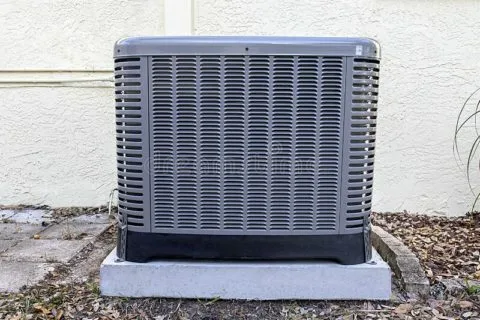
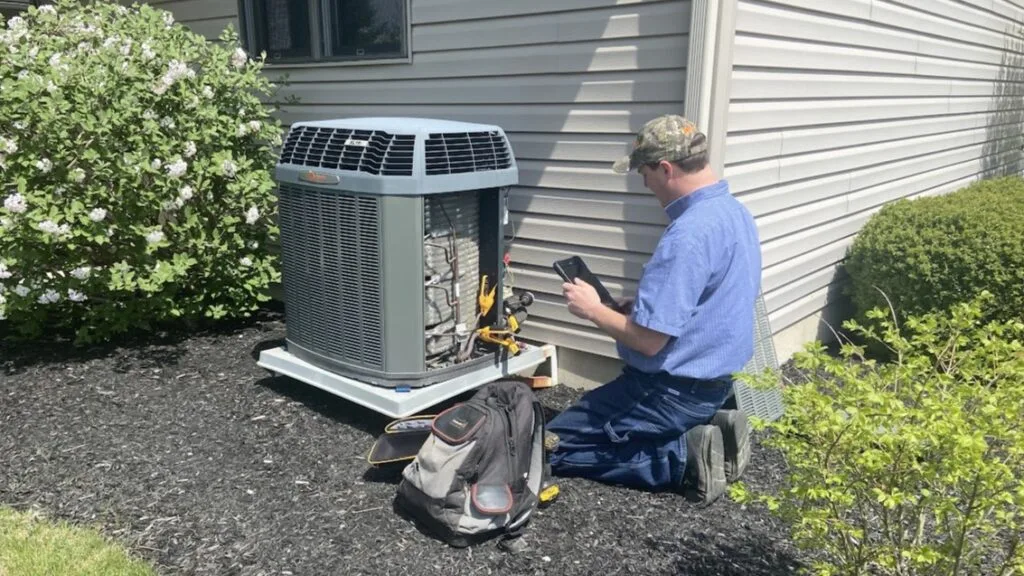
Condenser coils sit inside the outdoor unit and take a beating from Los Angeles sun, dust, and coastal salt air year-round. Properties near the water see accelerated corrosion on condenser coil surfaces. Swapping a condenser coil means partially disassembling the outdoor unit to get the coil out more time, more labor, and a higher total cost than an evaporator job.
What Happens During an AC Coil Replacement
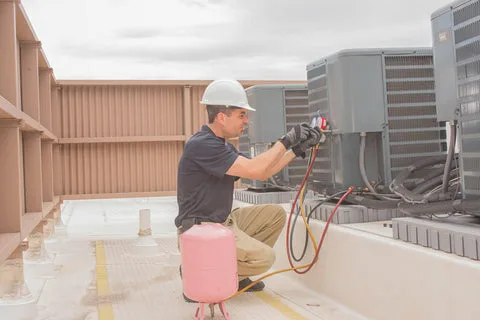
Replacing coils in ac unit is not a parts swap anyone can do without proper equipment. Refrigerant has to come out of the system first, venting it to the atmosphere is illegal under EPA rules and requires certified recovery equipment to handle correctly.
Refrigerant recovered, the professional disconnects the coil from the refrigerant lines, pulls it out of the unit, and fits the replacement. Every connection point gets pressure tested for leaks before refrigerant goes back in. Once the system is charged, operating pressures get checked at normal running conditions to confirm the new coil is holding and the system is cooling at the rated capacity.
A clean ac unit coil replacement on a straightforward unit runs a few hours. Older equipment with corroded fittings that need to be cut and re-brazed rather than uncoupled takes longer.
Early Signs a Coil Is Going Bad
- Warm air from the vents while the system runs fan blows, unit runs, but nothing cools because the coil has no refrigerant to work with
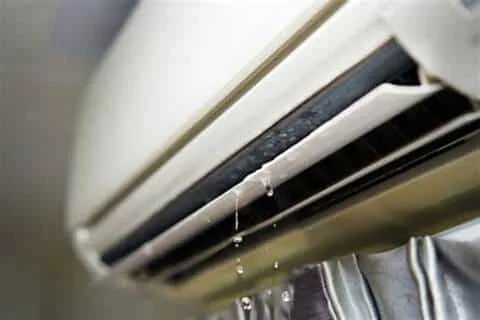
- Ice forming on the indoor unit or on the refrigerant lines outside slow coil leak dropped the charge low enough to freeze the line
- Hissing or bubbling near the air handler gas pushing through a crack in the coil tubing
- Electricity bills going up with no change in usage system working harder to compensate for lost refrigerant
- System runs constantly but never hits the thermostat setting especially on the hottest Los Angeles days when demand is highest
- Longer cooling cycles with less output coil capacity drops as refrigerant leaks out over weeks or months
Catching a small leak early means less refrigerant gone, less stress on the compressor, and more time to weigh repair against replacement without pressure.
When to Call Mr HVAC Solution in Los Angeles
Coil work needs refrigerant recovery equipment, brazing tools for line connections, and charging gauges to confirm the system holds after the repair. No version of this job is a homeowner repair and attempting it without recovery equipment puts you on the wrong side of EPA regulations.
Conclusion
AC unit coil replacement in Los Angeles is one of those repairs that lands differently depending on what system it is going into and how old that system is. Cost to replace ac unit and coil, whether to replace ac coil or whole unit, and what the job actually involves all have real answers; they just depend on the specific unit, the refrigerant it runs, and what shape the rest of the equipment is in.
Warm air from the vents or ice on the lines call Mr HVAC Solution in Los Angeles and get the coil checked before a fixable leak becomes a full replacement job.
FAQs
How much to replace the coil on ac unit in Los Angeles?
How much to replace coil on ac unit depends on system size, which coil failed, warranty status, and refrigerant type a site inspection gives the real number for that specific unit.
Should I replace a coil or whole unit on an older system?
Replace ac coil or whole unit on a system past twelve to fifteen years old usually lands on a full replacement coil plus labor on aging equipment rarely wins against a new unit with a warranty.
How long does ac unit coil replacement take in Los Angeles?
A standard ac unit coil replacement runs two to four hours longer if fittings need to be cut and re-brazed rather than simply uncoupled and reconnected.
What happens if I keep running the AC with a leaking coil?
Low refrigerant puts strain on the compressor and can destroy it. Compressor replacement costs far more than catching and fixing a replacing coil in ac unit situation early.
Is replacing coils in ac unit worth it on older equipment?
Replacing coils in ac unit makes sense under ten years old with equipment in good shape R-22 systems and older units usually point toward full replacement when the total cost gets laid out honestly.